
The wedding industry evolves every year, and as planners and designers who spend our days creating thoughtful, beautiful celebrations, we naturally see trends come and go. Some ideas shine for a season and fade gracefully. Others linger a little longer than they should.
As planners with almost a decade of experience designing weddings across Nashville, Atlanta, Chattanooga and beyond, our goal is always to help couples create celebrations that feel timeless, elevated, and intentional. That means knowing when a trend no longer serves the overall experience of the wedding day.
Below are a few trends we’re seeing fade in 2026 and the design-forward alternatives that create a more refined and guest-focused celebration.
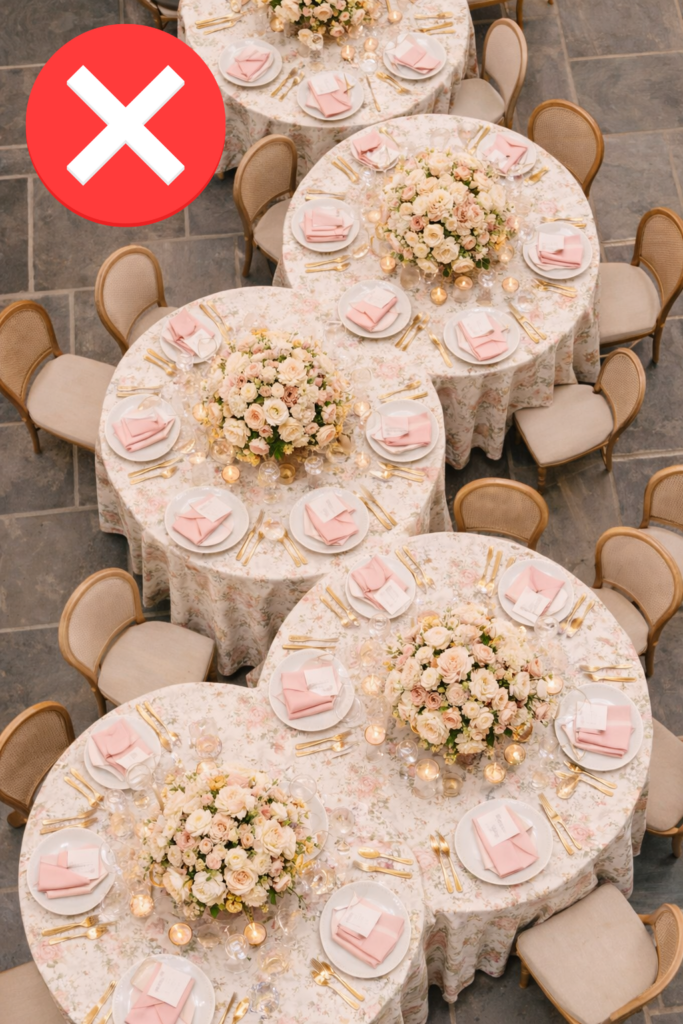
Out: Caterpillar Tables
For a while, caterpillar tables made their way across Pinterest boards and social feeds. The idea—long tables that snake or curve across the room—can look visually interesting in overhead photos, but in practice they often create more problems than they solve.
From a guest experience standpoint, caterpillar tables make conversation surprisingly difficult. Because the table curves or bends, guests often cannot easily see or speak with others sitting just a few seats away. Weddings are meant to encourage connection and conversation, and these layouts can unintentionally isolate guests rather than bring them together.
They also tend to take up far more space than traditional table layouts, which can reduce the total number of guests comfortably seated in a room and complicate service for catering teams.
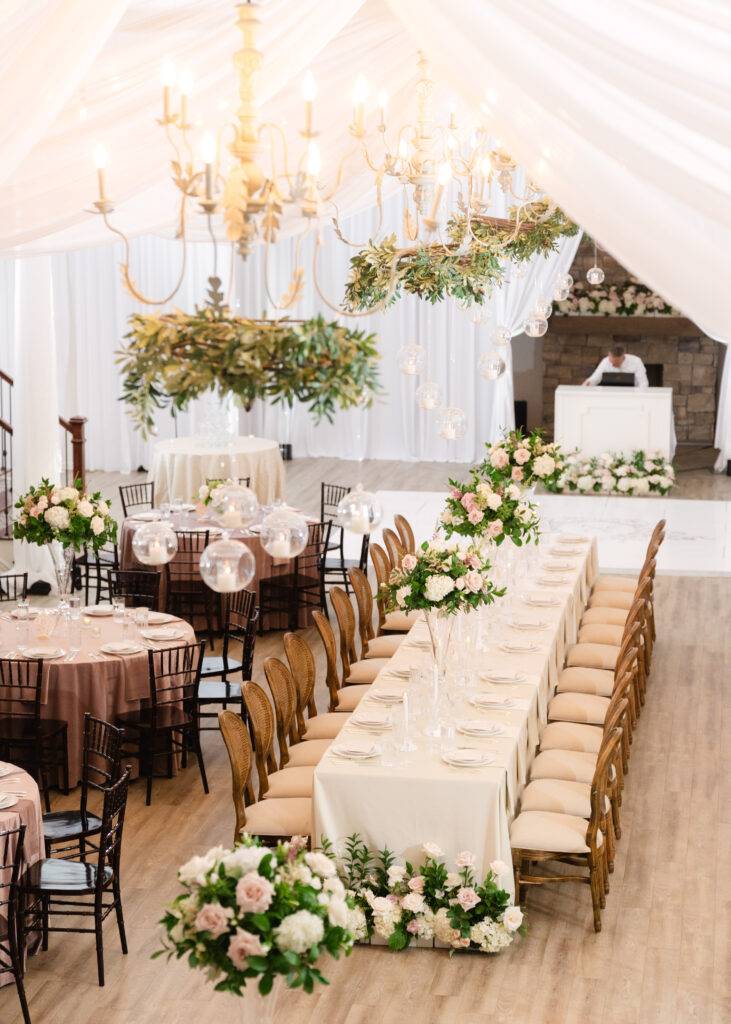
The Better Alternative: A Mix of Estate Tables and Rounds
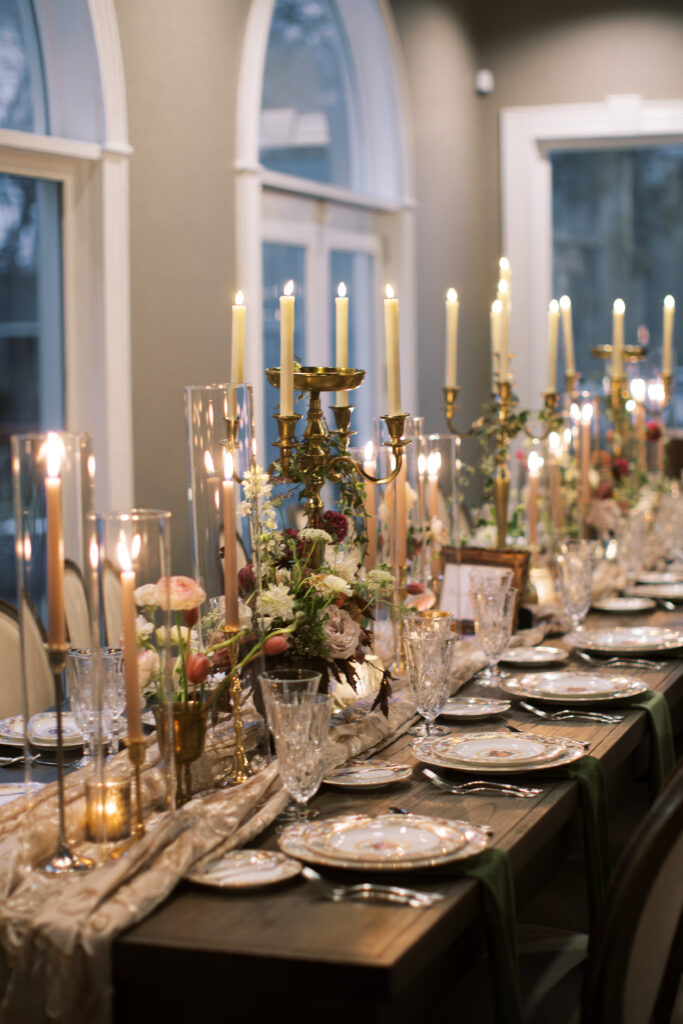
A thoughtfully designed combination of estate tables and round tables remains the gold standard for reception layouts.
Rounds naturally encourage conversation, allowing guests to comfortably interact with everyone seated at their table. Estate tables, on the other hand, bring beautiful visual structure and allow for stunning tablescapes with layered linens, florals, and candlelight.
When mixed intentionally, the two styles create visual movement throughout the room while still prioritizing guest comfort and flow. It’s a design solution that is both elegant and practical—something every great wedding should be.
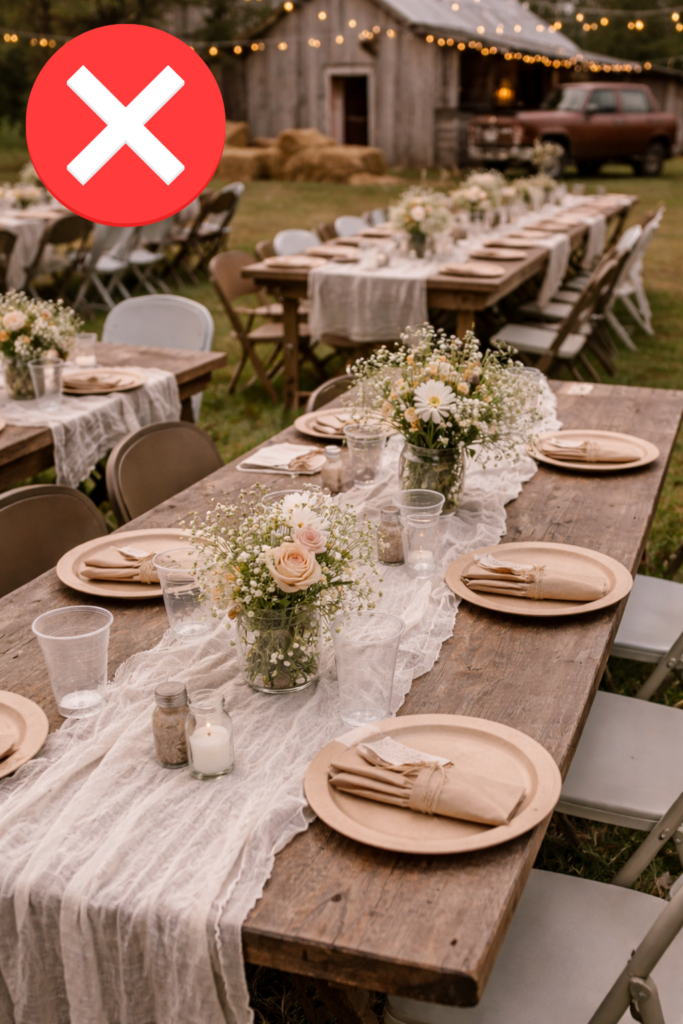
Let’s be honest: cheesecloth had a moment. But in 2026, this trend has officially run its course.
Cheesecloth was originally designed for cooking—specifically for straining liquids and making cheese. While its gauzy texture may have initially felt “organic” or “bohemian,” in a refined wedding setting it often reads as unfinished and inexpensive.
Because of the loose weave and frayed edges, cheesecloth runners frequently wrinkle, bunch awkwardly on tables, and photograph poorly. Instead of enhancing the tablescape, they can make even beautiful place settings feel less polished.
The Better Alternative: Quality Textiles
When it comes to table design, material matters.
A high-quality linen runner, silk runner, or tailored fabric overlay immediately elevates a table. These materials drape beautifully, hold their shape, and photograph in a way that feels intentional and luxurious.
Texture is still important—but it should feel curated rather than improvised. Thoughtful fabrics add depth and elegance while complementing the rest of the design elements on the table.
Out: Mismatched Signage
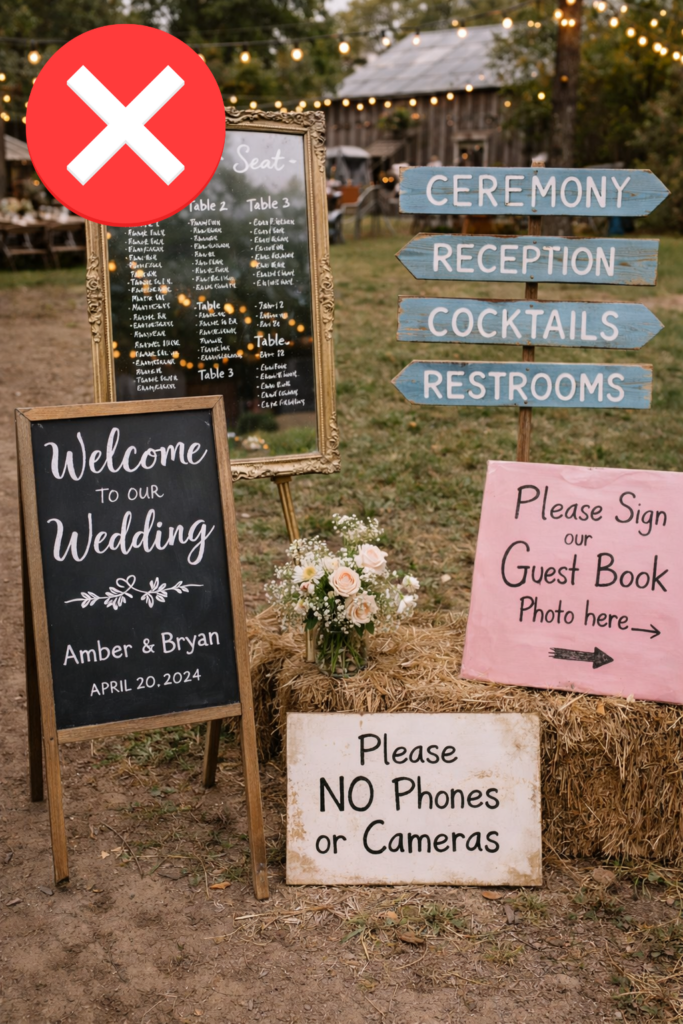
Another trend that has quietly overstayed its welcome is mismatched signage—think a chalkboard welcome sign paired with gold-framed table numbers, mirrored seating charts, and acrylic bar signs all within the same event.
While each of these pieces can be beautiful individually, combining too many different styles creates visual confusion. The result often feels cluttered rather than curated.
From a design perspective, signage should support the overall aesthetic of the wedding, not compete with it. When signage lacks cohesion, it disrupts the visual story of the event and photographs inconsistently throughout the gallery.
The Better Alternative: Cohesive Signage Suites
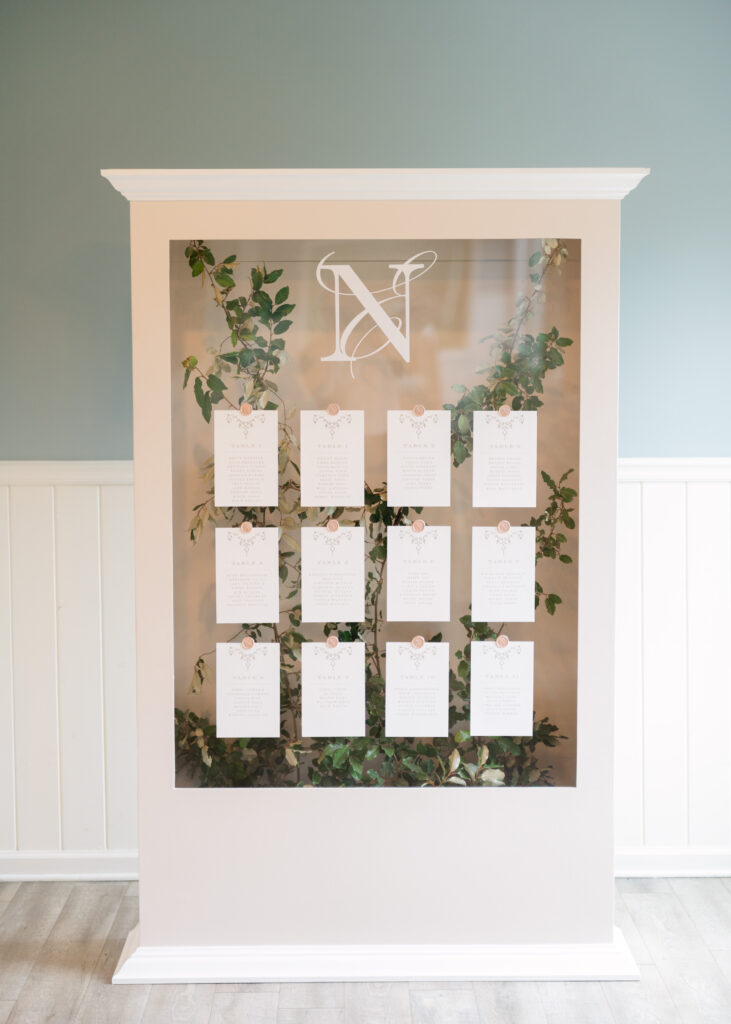
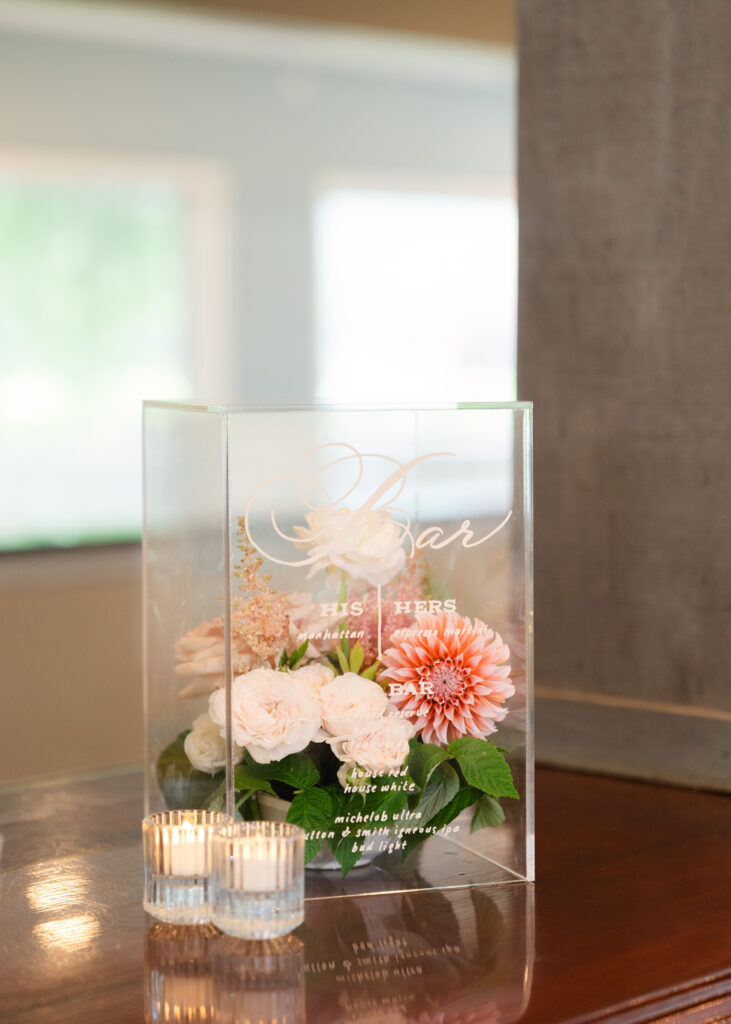
Instead, couples should think of signage as a cohesive design collection.
Matching materials, fonts, and finishes across welcome signs, seating charts, bar menus, and table numbers creates visual harmony throughout the space. Whether that means acrylic pieces with calligraphy, elegant framed paper goods, or custom-painted boards, the key is consistency.
When signage is designed as part of the overall aesthetic rather than as separate pieces, it enhances the environment rather than distracting from it.
Out: Too Many Bows
Bows have been having a major moment in fashion and event design—and we absolutely love a tasteful bow detail.
However, in 2026 we’re seeing weddings where bows are everywhere: on chairs, napkins, bouquets, signage, invitations, favors, cakes, and beyond.
When used sparingly, bows can feel charming and romantic. When used excessively, they begin to overwhelm the design and distract from the overall aesthetic.
Great design relies on balance, and too many statement details competing for attention can dilute the impact of the entire space.
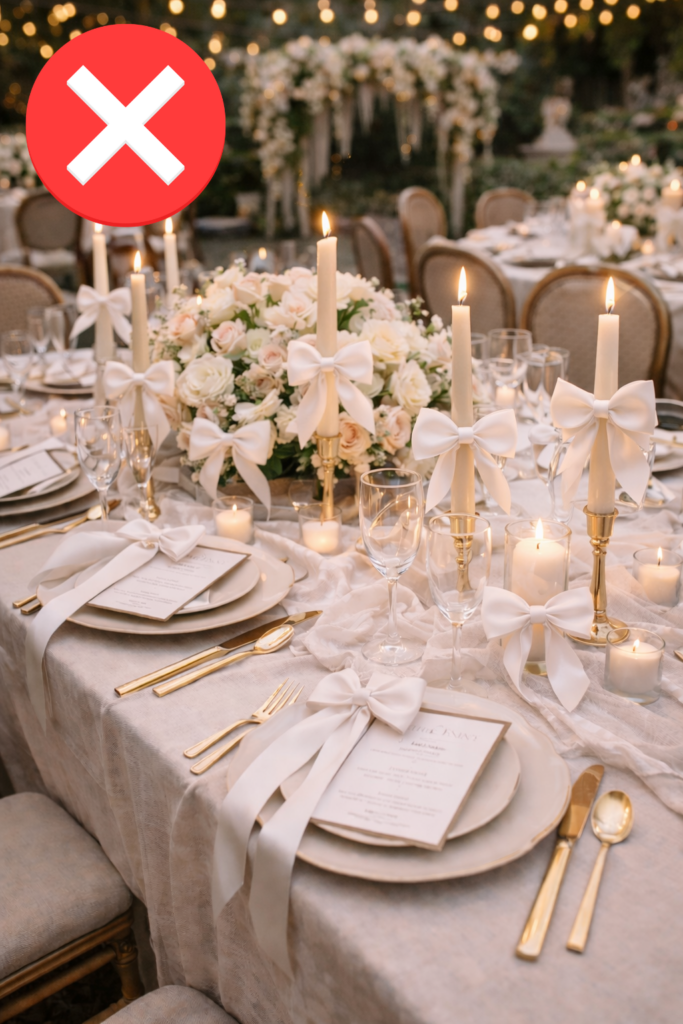
The Better Alternative: Intentional Bow Moments
Instead of placing bows everywhere, use them strategically.
A beautifully tied bow on the back of a bride’s chair, a ribbon detail on the invitation suite, or delicate bows on escort cards can create memorable design moments. When bows are treated as accents rather than the entire theme, they feel refined and intentional.
Sometimes the most impactful design choice is knowing when to hold back.
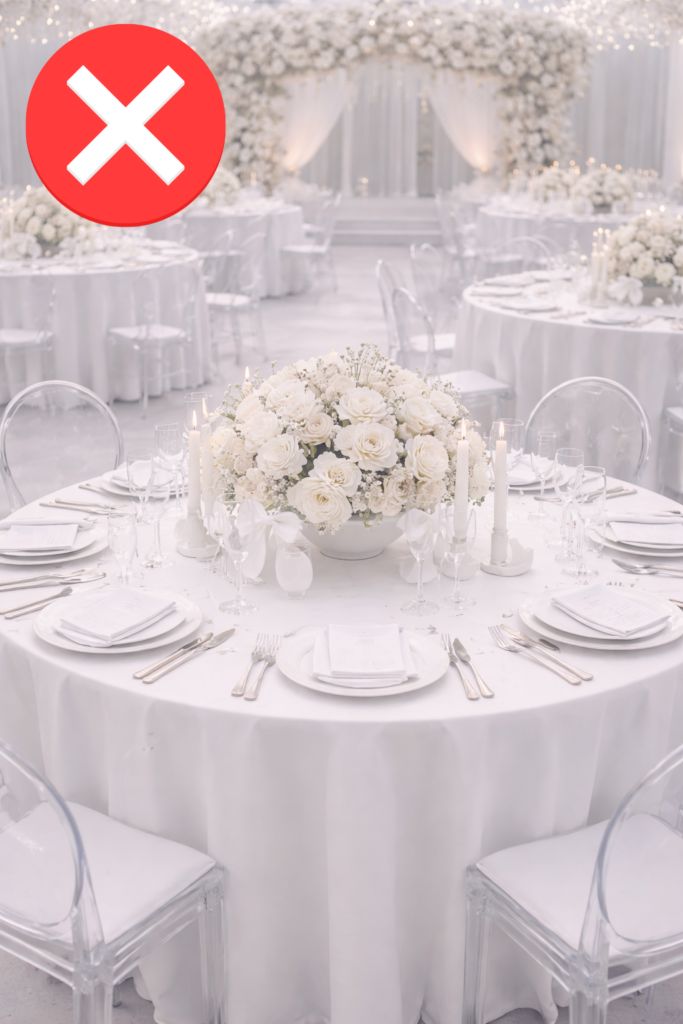
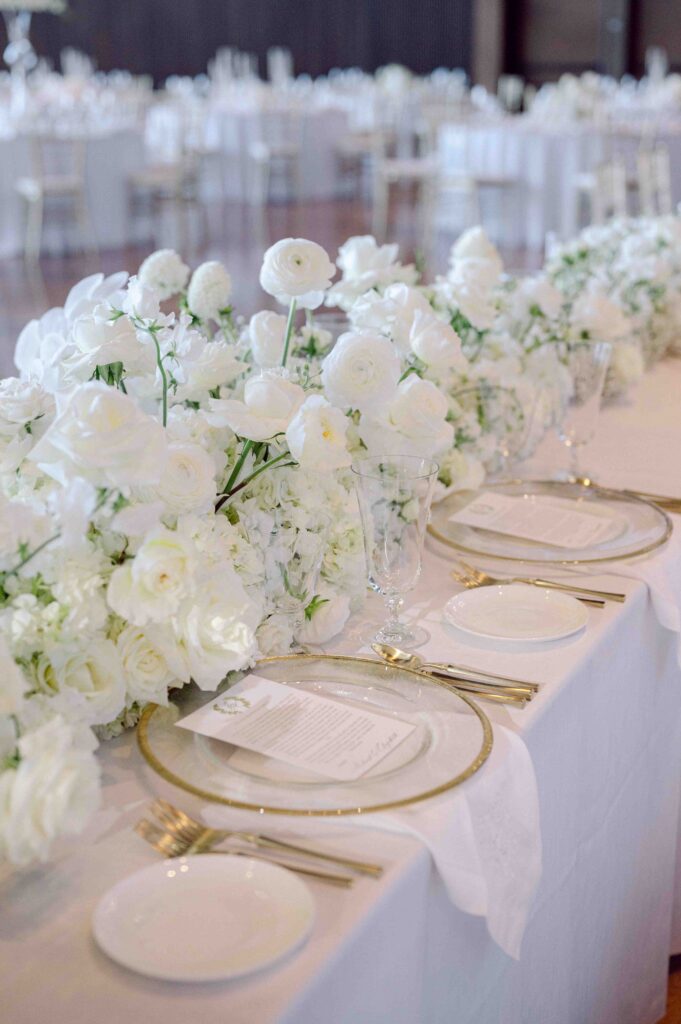
Out: All-White Weddings
All-white weddings have long been associated with luxury, but in practice they can sometimes feel overly sterile.
Without contrast, dimension, or layering, an entirely white palette can make a space feel flat rather than dynamic. White florals, white linens, white chairs, and white décor can blend together visually, losing the depth that makes a design truly come to life.
White is timeless—but it works best as a foundation rather than the entire story.
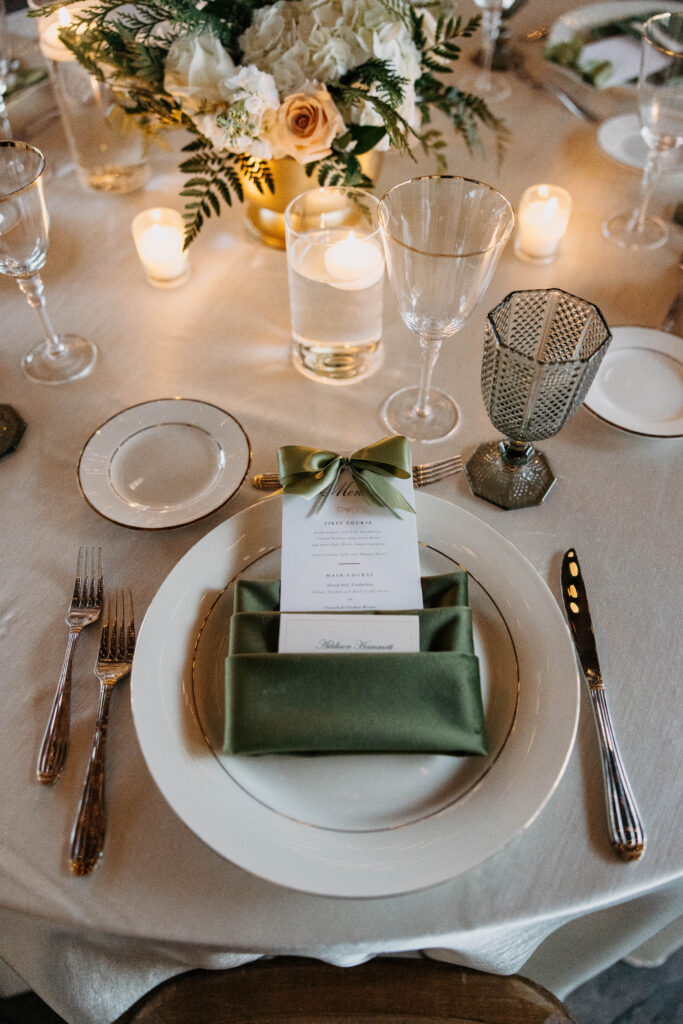
The Better Alternative: Layered Neutrals and Soft Color Accents
Instead of eliminating white, we encourage couples to build around it.
Adding subtle accents such as gold, champagne, or soft greenery creates dimension while still maintaining an elegant palette. Even delicate touches of color—like pale blush, sage, or warm metallics—can bring warmth and depth to a design.
The result still feels classic and refined, but with far more visual interest and richness.
Designing Weddings That Feel Timeless
Trends will always come and go, but great design remains rooted in intentionality, balance, and guest experience.
At W Events, our goal is never to follow trends simply because they are popular. Instead, we guide couples toward choices that will look just as beautiful in their photos decades from now as they do on their wedding day.
The best weddings are not defined by trends—they’re defined by thoughtful design, meaningful details, and a celebration that feels entirely true to the couple at the center of it all.


